Prepaid Insurance: An Asset Or Expense?

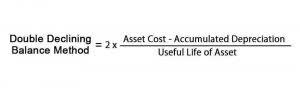
The process involves a debit to Insurance Expense and Coffee Shop Accounting a credit to Prepaid Insurance, effectively transferring the expired portion from an asset to an expense. This entry aligns with the matching principle, ensuring expenses are recognized in the period they relate to, rather than when paid. The definitive answer to whether prepaid insurance is an expense lies within the application of the accrual basis of accounting.
- For example, a death benefit cannot be paid out while the policyholder is still alive, and risks cannot be covered until they actually occur.
- Prepaid expenses are payments made for goods and services that a company intends to pay for in advance but will incur sometime in the future.
- This process not only complies with accounting standards but also provides a clearer picture of financial health, enabling better decision-making.
- Prepaid insurance represents a common point of confusion for business owners attempting to reconcile their cash flow with their financial statements.
- By integrating these practices, businesses can minimize errors and maintain the integrity of their financial statements.
and Reporting
This classification ensures financial statements accurately reflect the company’s resources and obligations. The asset remains on the balance sheet until the coverage period progresses, at which point it is gradually expensed to match the period in which the protection is provided. It represents insurance premiums you’ve paid in advance that provide future economic benefits. When you pay for insurance coverage, you’ll debit prepaid insurance and credit cash. As time passes, you’ll systematically convert portions to expense through amortization entries. For policies exceeding 12 is prepaid insurance an expense months, you’ll need to split between current and non-current assets.

It improves cash flow management
Understanding prepaid insurance and how it affects financial statements is crucial for making informed financial decisions. Whether for tax purposes, cash flow management, or regulatory compliance, handling prepaid insurance correctly is essential for maintaining the accuracy and integrity of financial records. At the end of the six-month period, the prepaid insurance account will be fully expensed, and the insurance coverage will have been fully recognized as an expense. You’ll systematically reduce the prepaid asset balance using straight-line amortization methods, where the total premium cost is divided by the coverage period to calculate the monthly expense amount. This conservative approach prioritizes policyholder protection over thorough financial reporting. At policy renewal, the company makes another advance payment, which is recorded as an increase in the prepaid insurance asset.

Current asset vs. noncurrent asset
Taking the time to record insurance correctly provides major financial clarity and control. Understanding whether insurance is a debit or credit transaction is the key first step. Following these debit and credit guidelines helps ensure all insurance transactions are recorded correctly.
What are examples of revenues?
When an individual pays for an annual insurance policy upfront, it requires careful budgeting to ensure that the payment does not interfere with other financial priorities. However, paying for insurance in advance can often result in cost savings, as some insurers offer discounts for annual or semi-annual payments. In some cases, the IRS allows businesses to expense prepaid insurance premiums in the year they are paid.
Business
Tax implications also arise when prepaid insurance is incorrectly reported, potentially leading to disputes with tax authorities over deductible expenses. Poor record-keeping and improper retained earnings accounting practices can also disrupt financial planning, making it difficult for businesses to assess cash flow needs and budget for future insurance costs. Multi-year policies require proportional cost allocation across multiple periods. If a three-year policy costs $90,000, the business should record $30,000 in each year’s financial statements.
Can Prepaid Insurance Be Sold or Transferred Between Companies?
Insurance regulations reinforce this treatment by mandating insurers to honor prepaid coverage. To ensure proper reporting, the write-off of prepaid insurance must be executed through a straightforward yet precise journal entry. At the end of each accounting period, the company debits „Insurance Expense” and credits „Prepaid Insurance” for the portion of the prepaid amount that has been used. For example, if a company pays $12,000 annually for insurance and one month has elapsed, it would debit $1,000 to Insurance Expense and credit $1,000 to Prepaid Insurance. This entry reduces the prepaid asset on the balance sheet while simultaneously increasing the expense on the income statement, aligning with the matching principle of accounting. Prepaid insurance is a valuable asset for businesses and individuals, as it represents a future benefit in the form of insurance coverage.
